
Years of field experience
Devices verified per year
ISO/IEC accreditation
Accredited methods
A miscalibrated flow meter or a sampler skipping intervals turns a compliant site into a non-compliant one on paper. We verify the whole measurement chain, on site.
Flow meter calibration and accuracy
Automatic sampler representativeness
pH and conductivity probe testing
Audit-ready verification report

Audit-ready
documentation included
01
Preparation
Document review and site visit scheduled with the operator.
02
On-site inspection
Installation and condition checked against current standards.
03
Measurement checks
Flow meters calibrated, samplers and probes tested for accuracy.
04
Detailed report
Findings, non-compliance issues and corrective recommendations.
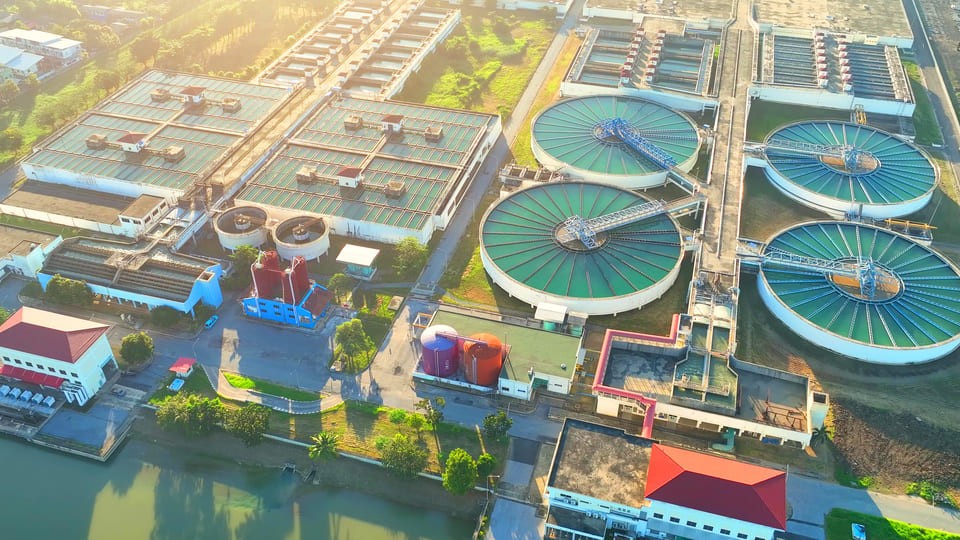
Wastewater treatment plants
Public or private sites above regulatory capacity thresholds.
Regulated facilities
Sites subject to specific environmental permits and oversight.
Industrial operators
Companies under special discharge agreements.
Network managers
Teams tracking inflow and identifying pollution sources.
Municipal teams
Local authorities running collection networks.
Clean Water Act
Obligations for regulated facilities and treatment equipment.
EPA Self-Monitoring Rules
Procedures and key parameters such as BOD, TSS and pollutants.
NPDES Permit Program
Standards for monitoring urban wastewater discharge.
ISO/IEC 17025
Reliability and traceability of accredited laboratory results.
Frequently Asked Questions (FAQ)
Find answers to the most common questions about our services and expertise.
More questions?
What are the risks if my equipment isn't compliant?
Non-compliant self-monitoring equipment can lead to several major risks: Financial penalties: Regulatory authorities (e.g., water authorities, state agencies) may impose fines or penalties for failing to meet discharge standards or regulatory obligations. Environmental impact: Excessive pollutant discharge (TSS, BOD, COD, nitrogen, phosphorus) into receiving waters (rivers, groundwater) can harm aquatic ecosystems and degrade water quality. Technical malfunctions: Poorly calibrated or faulty equipment can disrupt your treatment plant or sewer network, leading to overloads, accidental spills, or unpleasant odors. Health risks: Poor management of domestic wastewater or industrial effluent can pose a public health risk, particularly in the event of contamination of drinking water or surface water. Loss of trust: Non-compliance can also damage your reputation with residents, municipalities, or institutional partners.
