
Years of field experience
Guarantee tests per year
Typical test window
Accredited methods
We define the protocol with every stakeholder, run the measurements under real operating conditions, and report against the guarantee thresholds that were agreed up front.
Effluent quality against permit limits
Treatment efficiency and energy use
Testing under real operating load
Neutral, accredited third-party report
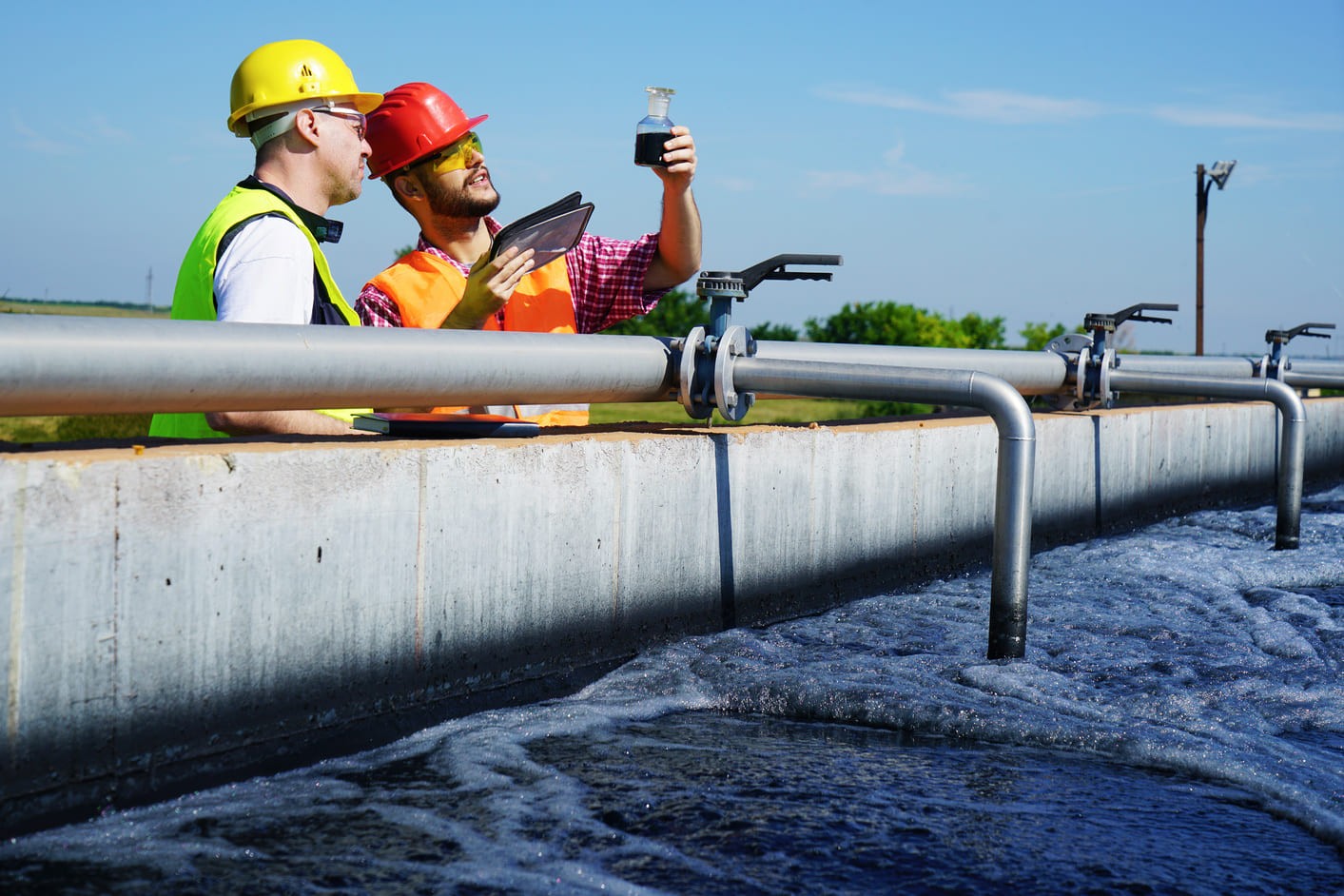
Independent
third-party verification
01
Protocol definition
Test protocol agreed with all stakeholders before work starts.
02
On-site measurement
Testing under real operating conditions with accredited equipment.
03
Results analysis
Measured performance compared against agreed guarantee thresholds.
04
Final test report
Results, analysis and recommendations where performance falls short.
Plant operators
Commissioning and acceptance of new or upgraded facilities.
Water authorities
Confirming facilities meet environmental and quality standards.
Industrial sites
Verifying treatment systems meet their discharge limits.
Contractors
Proving the facilities they designed and built perform as promised.
Municipalities
Validating that completed projects meet technical requirements.
Clean Water Act
Requirements for equipment performance and discharge quality.
EPA Design Criteria
Technical requirements and performance testing procedures.
Ten States Standards
Methods used to validate performance after commissioning.
ISO/IEC 17025
Reliability of measurements taken on site and in the lab.
Frequently Asked Questions (FAQ)
Find answers to the most common questions about our services and expertise.
More questions?
What are the risks if my facility fails the performance guarantee test?
If your facility fails the performance guarantee test, several risks can arise: Financial penalties: Fines or penalties imposed by regulatory authorities, particularly for failing to meet discharge standards or technical requirements. Environmental impact: Excessive pollutant discharge (e.g., TSS, BOD, COD) that can harm rivers, groundwater, or aquatic environments. Technical malfunctions: Facility operating issues, leading to additional costs for rehabilitation or compliance work. Loss of trust: Non-compliance can affect your reputation with residents, municipalities, or institutional partners. To avoid these risks, it's essential to conduct regular testing with an accredited expert like WaterGuard.
