
Years of field experience
Assessments per year
Continuous sampling cycle
Accredited methods
Refrigerated automatic samplers and high-precision flow meters run on your site for a full 24 hours, capturing the day-night variation a single spot sample would miss.
Hydraulic flow, inlet and outlet
TSS, BOD, COD, nitrogen and phosphorus
Treatment efficiency across the cycle
Results traceable to an accredited lab
2-3 weeks
from sampling to report
01
Equipment setup
Refrigerated samplers and precision flow meters installed on site.
02
24-hour sampling
Continuous collection across a full day-night operating cycle.
03
Laboratory analysis
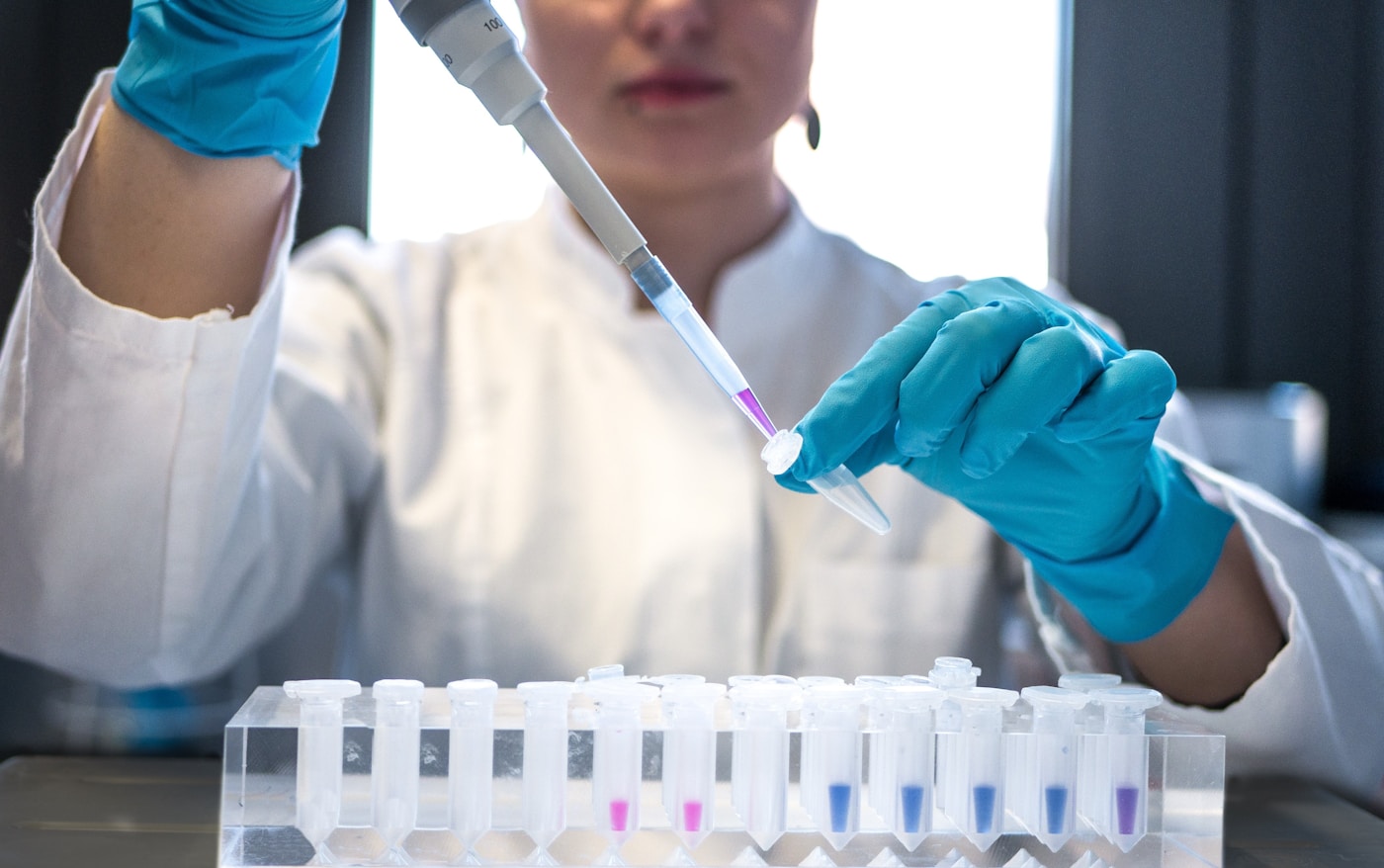
Samples tested at a NETAC ISO 17025-accredited laboratory.
04
Report and advice
Detailed findings with technical recommendations you can act on.

Wastewater treatment plants
Municipal and private operators meeting regulatory self-monitoring obligations.
Regulatory authorities
Water agencies verifying environmental impact and facility compliance.
Industrial sites
Verifying discharge against special agreements and permits.
Project owners
Consulting firms running diagnostics and rehabilitation studies.
Municipal teams
Local authorities managing collection networks and plants.
Clean Water Act
Self-monitoring obligations for plants and collection networks.
NPDES Permit Program
Discharge monitoring and protection of receiving waters.
Water Quality Standards
Ecological and chemical targets for surface and ground water.
Safe Drinking Water Act
Framework for sustainable water resource management.
Frequently Asked Questions (FAQ)
Find answers to the most common questions about our services and expertise.
More questions?
How long does it take to get 24-hour assessment results?
Results from a 24-hour assessment are typically available within 2 to 3 weeks after sample collection. Samples taken from your sewer network or treatment plant are sent to a NETAC-accredited laboratory for in-depth analysis. This analysis includes parameters such as total suspended solids (TSS), BOD (biochemical oxygen demand), COD (chemical oxygen demand), nitrogen, and phosphorus. Once analysis is complete, we provide a detailed report with technical recommendations to optimize your facilities and ensure proper operation.
